After a hurricane, tropical storm, hailstorm, or severe wind event, it’s easy to focus on obvious damage like missing shingles or fallen trees. However, some of the most expensive property damage may be hidden beneath the surface. Small roof leaks, compromised flashing, moisture trapped behind walls, and structural movement can quietly worsen over time, leading to costly repairs and insurance disputes. If hidden storm damage isn’t identified and documented early, your insurance company may question the cause of the damage or argue that it resulted from normal wear and tear instead of a covered event. At Gelber Law Group, we help Florida homeowners identify hidden storm damage, protect their insurance claims, and pursue the compensation they deserve with strategic legal guidance, exceptional communication, and relentless advocacy.
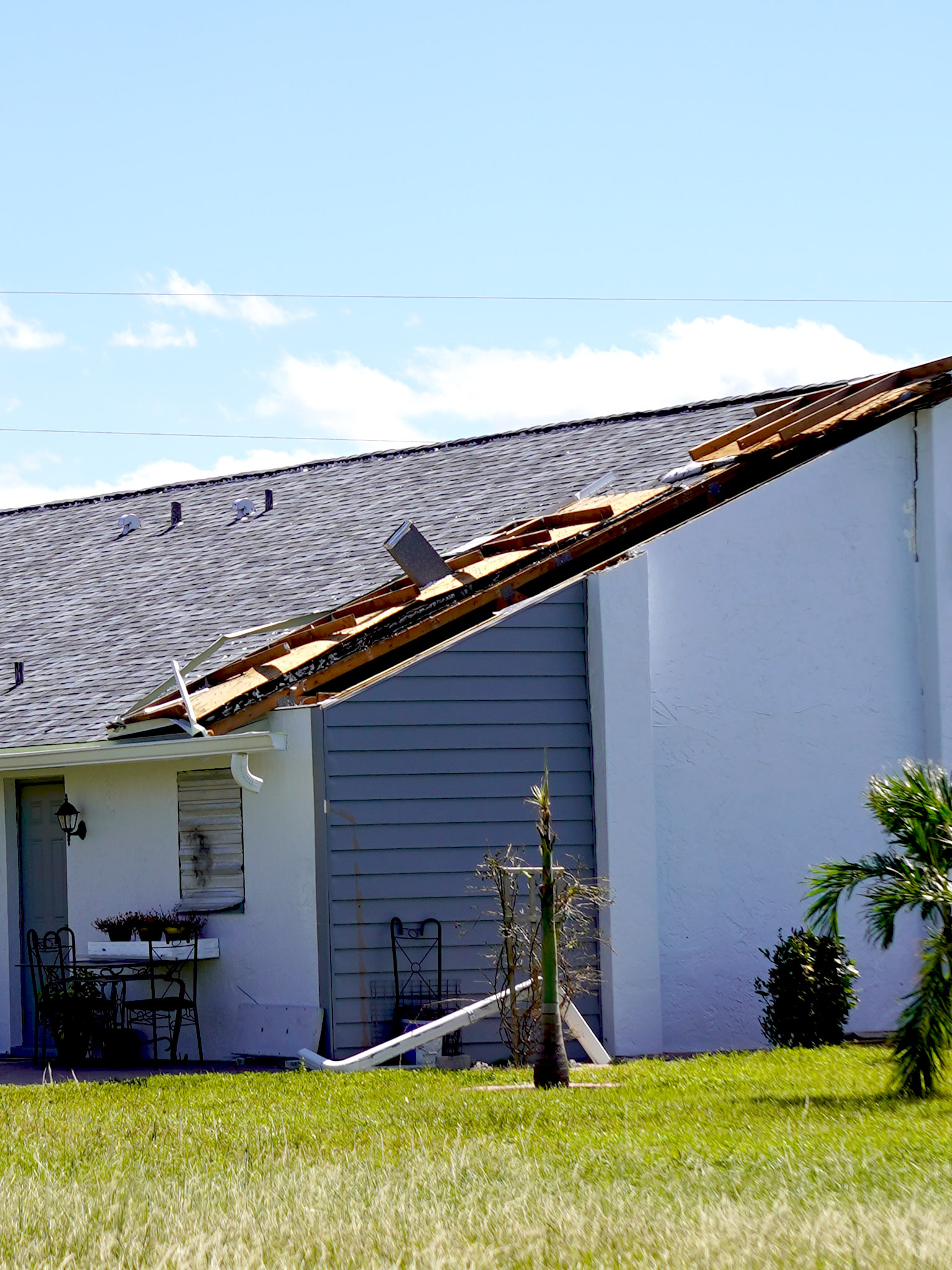
Damage Isn’t Always Visible
Storm damage isn’t always obvious the moment the weather clears. While missing shingles or broken windows are easy to spot, many serious problems develop inside your home’s roofing system or behind finished walls where they remain unnoticed for weeks or even months.
Roof System Damage
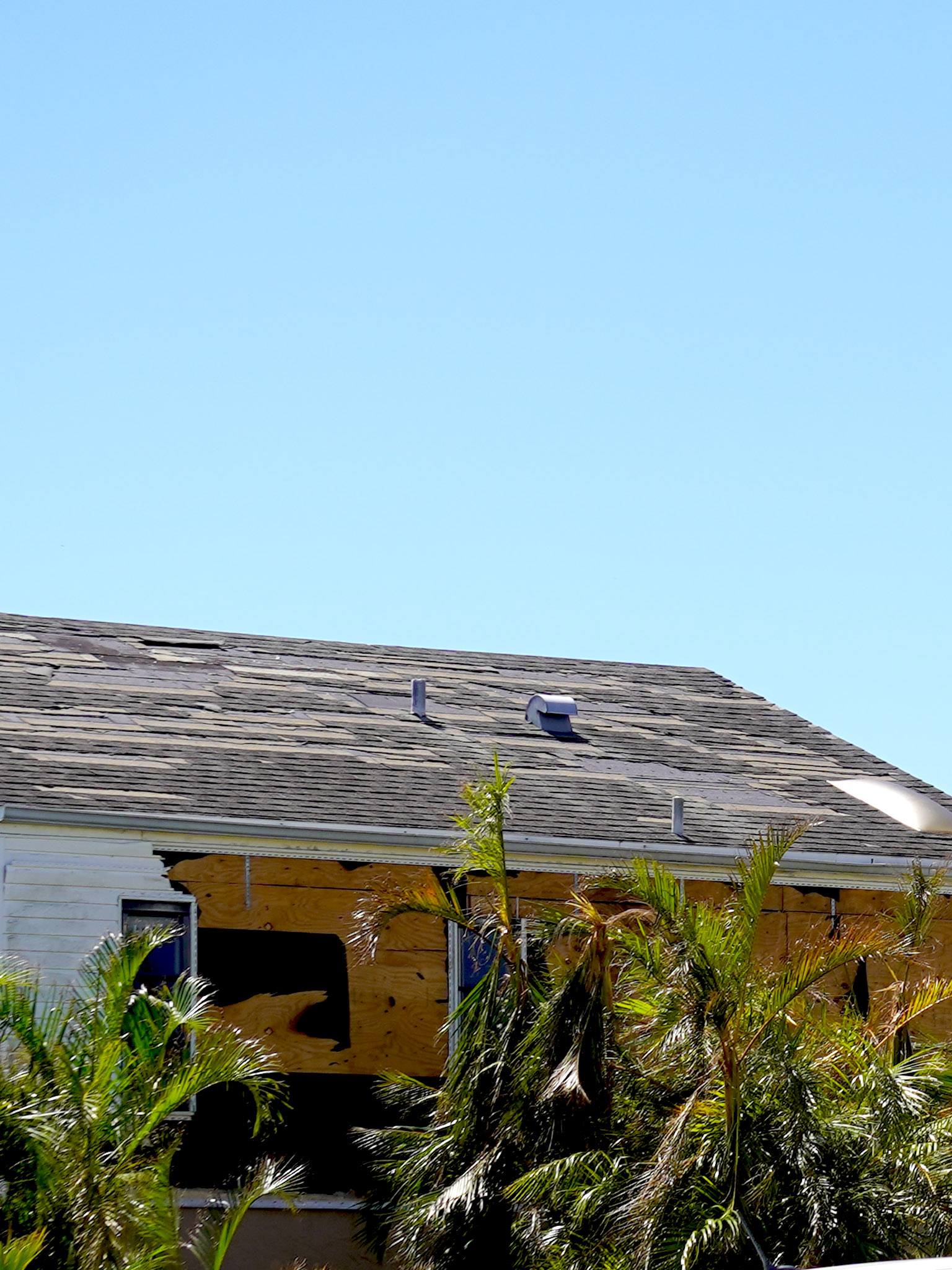
High winds and hail can damage the protective layers beneath your roof covering without creating immediate leaks. Lifted shingles, bruised roofing materials, and damaged underlayment may allow water to slowly enter your home long after the storm has passed.
Flashing Damage
Roof flashing protects vulnerable areas around chimneys, vents, skylights, and roof valleys. Strong winds can loosen or separate flashing, creating small openings that allow moisture to penetrate your home over time.
Water Intrusion
Water often travels far from the original point of entry before becoming visible. Moisture trapped inside insulation, drywall, or ceilings may remain hidden until stains, mold, or structural deterioration begin to appear.
Structural Movement
Severe storms can place significant stress on your home’s structure. High winds, fallen trees, and saturated soil may contribute to shifting framing, cracked drywall, uneven flooring, or foundation movement that becomes more noticeable over time.
Electrical Damage
Water intrusion can affect wiring, outlets, breaker panels, and electrical components hidden behind walls. Electrical damage may create safety concerns while increasing the overall cost of restoring your property.
Signs Your Home Has Hidden Storm Damage

Even when your property appears undamaged after a storm, hidden problems may already be developing. Recognizing the warning signs early can help prevent additional damage while strengthening your insurance claim.
Watch for signs such as:
- Water stains on ceilings or walls
- Bubbling or peeling paint
- Musty odors inside the home
- Sagging ceilings
- Warped flooring
- Cracked drywall
- Missing roof granules in gutters
- Loose or lifted shingles
- Mold growth
- Increased humidity indoors
If you notice any of these conditions following a storm, scheduling a professional inspection as soon as possible is one of the best ways to protect both your home and your insurance claim.
Why Insurance Companies Often Dispute Hidden Damage
Hidden storm damage frequently becomes the subject of insurance disputes because it is not always discovered immediately after the storm. By the time visible symptoms appear, insurance companies may argue that the damage resulted from age, deferred maintenance, or another unrelated issue rather than the covered weather event.
Common arguments insurance companies make include:
- The damage is ordinary wear and tear.
- The condition existed before the storm.
- The homeowner failed to properly maintain the property.
- Water entered through a pre-existing opening.
- The damage developed after the storm occurred.
These disputes can significantly reduce the value of a claim unless homeowners have strong documentation and evidence supporting the true cause of the damage.
Why Early Inspections Matter
One of the most important steps homeowners can take after a major storm is scheduling a thorough inspection, even if they don’t immediately see damage.
Early inspections can:
- Identify hidden roof damage before leaks develop.
- Document storm-related damage while evidence remains fresh.
- Prevent additional deterioration.
- Support insurance claims with detailed findings.
- Reduce opportunities for insurance companies to dispute the cause of damage.
Waiting months before investigating potential storm damage may allow small problems to become major repairs while making it more difficult to connect the damage to the original storm event.
Gelber Law Group Helps Homeowners Fight For The Compensation They Are Owed
At Gelber Law Group, we understand that hidden storm damage often leads to complicated insurance disputes. Our attorneys work closely with Florida homeowners to investigate property damage, review insurance policies, and build strong claims supported by evidence and documentation.
We help clients by:
- Reviewing insurance coverage.
- Evaluating denied and underpaid claims.
- Investigating hidden storm damage.
- Coordinating with qualified professionals when additional inspections are necessary.
- Negotiating directly with insurance companies.
- Preparing every claim for litigation if a fair settlement cannot be reached.
Our commitment extends beyond legal representation. We believe every homeowner deserves responsive communication, honest guidance, and an advocate who will protect their interests throughout the claims process.

The Property Damage Law Firm You Choose When Results Matter
Contact Gelber Law Group Today
Hidden storm damage can quietly turn a manageable repair into a major financial burden if it goes undetected or undocumented. Acting quickly after a storm helps protect your property, preserve valuable evidence, and strengthen your insurance claim before disputes arise.
At Gelber Law Group, we proudly represent homeowners throughout Florida who have suffered property damage from hurricanes, windstorms, hail, lightning, water intrusion, and other covered events. Our experienced attorneys combine personalized legal guidance, meticulous claim preparation, and relentless advocacy to help homeowners recover the compensation they deserve.