
Wind-driven rain can turn a small storm opening into widespread roof and interior damage before a homeowner realizes water is getting inside. Lifted shingles, displaced tiles, damaged flashing, and wind-torn roof components may expose the decking, attic, insulation, ceilings, walls, and personal property below. Insurance coverage often depends on how the water entered, what the wind damaged, and the exact language of the policy.
Gelber Law Group helps homeowners document the full loss, challenge unfair claim decisions, and pursue the highest payout available for covered damage.

Roof Replacements Can Be the Single Most Expensive Repair a Homeowner Will Face
A full roof replacement can be one of the largest repair costs associated with owning a home. The price may involve far more than shingles or tiles. Removing damaged materials, replacing underlayment or decking, repairing flashing, addressing code requirements, and correcting interior water damage can all add to the scope of the loss.
That makes an incomplete insurance estimate especially costly. If the carrier pays for a small repair but the damaged roofing system cannot be restored properly through spot repairs, the homeowner may be left with a substantial gap. The right evaluation should consider the storm damage as a whole rather than focus only on the most visible leak.
Your Roof Protects the Integrity of Your Home. When It Gets Damaged, Your Entire Home Can Become at Risk
Your roof is the first barrier between your home and Florida’s heavy rain, powerful wind, and flying debris. Once that barrier is compromised, water can spread far from the original entry point. Moisture may travel along rafters, collect behind walls, soak insulation, stain ceilings, damage flooring, or create conditions that support mold growth.
Some problems remain hidden after the storm passes. A shingle may settle back into place after its seal has broken, or a tile may shift without falling from the roof. Gelber Law Group encourages homeowners to take hidden roof damage after a storm seriously because delayed discovery can complicate repairs and the insurance claim.
Protect the property from additional damage when it is safe to do so, but document the condition first whenever possible. Photograph roof components from a safe location, interior stains, wet materials, temporary repairs, and damaged belongings. Keep every invoice and receipt connected to emergency work.

Seek Help From a Florida Property Damage Lawyer Who Knows How to Go Against Insurance Companies and Win
Roof claims can turn into disputes over causation, maintenance, repairability, policy exclusions, and the amount required to restore the property. The insurer may argue that the roof failed because of age or deterioration rather than storm forces. It may also estimate only the visible water stain while overlooking the opening and damage above it.
Gelber Law Group reviews the policy, claim correspondence, inspection findings, photographs, weather evidence, and repair estimates to identify weaknesses in the carrier’s position. Our law firm’s published results include an $87,500 roof-damage settlement on an initially denied claim and a $100,000 wind-damage settlement on another initially denied claim. Past results do not guarantee a similar outcome, but they reflect our firm’s readiness to challenge an insurer when the evidence supports the homeowner.
If the carrier blames an older roof without fully addressing the storm, our attorneys can examine whether the insurer improperly characterized new roof damage as ordinary wear and tear.
(insert a results feed here)
What Is Wind-Driven Rain Damage?
Wind-driven rain is rainfall pushed horizontally or at an angle by strong winds. Instead of falling straight onto a sound roof and draining away, the rain may be forced beneath lifted shingles, through displaced tiles, around damaged flashing, or into an opening created by wind or debris.
Coverage is highly dependent on the policy and the facts. Many disputes focus on whether strong winds created an opening that allowed rain to enter.
Wind-driven rain can produce a combination of roof and interior water damage covered by different policy provisions. A complete claim should document both the path of entry and every affected area inside the home.
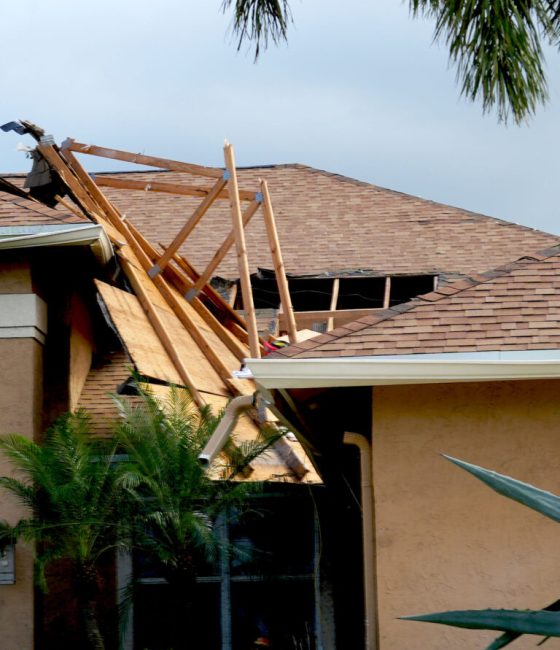
Common Causes of Wind-Driven Rain Roof Damage
The rain itself is only part of the problem. Wind, debris, and vulnerable roof components can create the pathway that lets water inside. Common causes include:
- Shingles lifted, creased, loosened, or torn away by strong winds.
- Roof tiles shifted, cracked, or displaced during a storm.
- Damaged flashing around chimneys, skylights, valleys, and roof edges.
- Broken or loosened ridge caps, vents, soffits, and roof penetrations.
- Falling branches or airborne debris that puncture roofing materials.
- Wind damage to seals and underlayment that is not visible from the ground.
The water stain inside your home may not sit directly below the damaged section of roof. Rain can travel along decking, beams, wiring, or pipes before it becomes visible. That is why a quick look at the ceiling rarely establishes the full repair scope.
Real Reviews From Clients
Is Your Claim Being Handled Fairly?
A low estimate or denial does not prove that an insurer acted improperly, but it should be supported by the policy and a complete investigation. Warning signs that deserve closer review may include:
- The adjuster inspected the interior but did not meaningfully evaluate the roof.
- The estimate omits damaged decking, underlayment, flashing, or interior areas.
- The carrier cites wear and tear without explaining the storm-related evidence.
- Repair pricing does not reflect the work described by qualified contractors.
- The insurer repeatedly requests information you have already provided.
- The written decision does not clearly connect the policy language to the facts.
Under Florida Statute § 627.70131, an insurer generally must pay or deny an initial, reopened, or supplemental property claim within 60 days after receiving notice, unless the delay results from factors beyond its control. The insurer must also provide a reasonable written explanation for a payment, denial, or partial denial.
Claim deadlines are equally important. Florida Statute § 627.70132 generally requires notice of a property claim within one year after the date of loss and notice of a supplemental claim within 18 months. Policy terms and the circumstances of the loss still matter, so prompt review is essential.

Fight the Insurance Company With a Legal Army by Your Side. Get a Free Claim Review From Gelber Law Group.
An insurance carrier has adjusters, claim managers, engineers, attorneys, and established procedures working on its side. You deserve a legal team prepared to investigate the loss, organize the evidence, respond to coverage arguments, negotiate from a position of strength, and take the dispute to court when necessary.
Gelber Law Group represents homeowners across Florida from offices in Fort Lauderdale and Boca Raton. There is no upfront cost to begin, and the firm only collects a fee if it gets you paid.
The Property Damage Law Firm You Choose When Results Matter
Wind-driven rain can damage far more than the surface of your roof. If your insurance company has denied the claim, blamed wear and tear, underestimated the repair scope, or failed to address the interior water damage, Gelber Law Group is ready to examine the decision and fight for the highest payout available under your policy.
Contact Gelber Law Group for a free claim review or call 954-320-0100.