A strong property damage insurance claim tells a clear, documented story: what your home looked like before the loss, what happened, what was damaged, and what it will reasonably cost to repair or replace.
Photographs matter, but they are only one part of that story. Videos, maintenance records, contractor estimates, receipts, inventories, inspection reports, weather information, and written insurance communications can all help establish the cause, scope, and value of a covered loss. Gelber Law Group helps Florida homeowners organize that evidence, address gaps in the claim file, and pursue the highest payout available under their policies.
Three Advantages of Working With Gelber Law Group
- Personalized legal guidance based on your property, policy, and claim history.
- Clear communication about the evidence, challenges, and next steps in your case.
- Thorough claim preparation designed to challenge denials and inadequate offers.
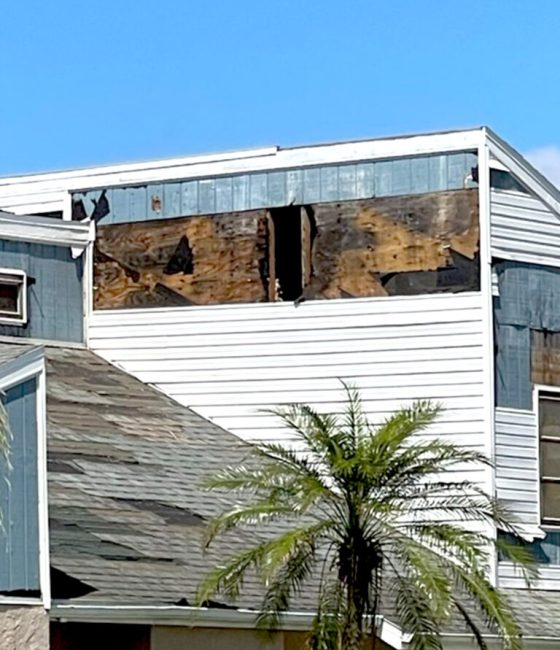
Evidence That Can Strengthen a Property Damage Insurance Claim
Insurance companies make decisions based on the policy, the reported cause of loss, and the material contained in the claim file. The most useful evidence connects those parts without relying on assumptions. Collect what you can safely obtain, preserve original files, and avoid altering damaged areas before they have been fully documented whenever possible.
Before-and-After Photographs and Videos
Pre-loss images can show that the roof, ceilings, flooring, windows, exterior, and personal property were in a different condition before the hurricane, windstorm, hailstorm, fire, or water event. Post-loss images then establish what changed.
After the damage, take wide photographs that identify the room or side of the building, medium-distance views that show the affected area, and close views that capture specific damage. Record a slow video walkthrough while describing the date, location, and condition you see. Save the original files because their metadata and image quality may be reduced when they are edited, compressed, or sent through some messaging platforms.
Never climb onto an unstable or wet roof for a photograph. Use a qualified inspector when an area cannot be reached safely.
A Detailed Damage Inventory
Create a room-by-room list of damaged personal property and building components. For belongings, include the brand, model, serial number, approximate purchase date, original cost, and estimated replacement cost when those details are available. Receipts, credit card statements, warranty registrations, product manuals, and older family photographs may help establish ownership.
The Florida Department of Financial Services recommends inventories containing receipts, photographs, videos, purchase dates, and serial numbers. Keep a backup somewhere other than the insured home so a fire, flood, or hurricane does not destroy the only copy.
Damage Progression Records
Some losses become more visible over time. A small ceiling stain may spread, damp drywall may deteriorate, or hidden roof damage may begin allowing additional water inside. Take dated photographs as conditions develop and write down when you first observed each change.
Progression records may help distinguish damage related to the reported event from later issues. They also show why prompt temporary repairs or further inspection became necessary. Gelber Law Group explains why hidden storm damage deserves a complete professional evaluation even when the property appears stable from the ground.
Inspection Reports and Professional Findings
Roofers, licensed contractors, engineers, plumbers, electricians, remediation companies, and other qualified professionals may document damage that a homeowner cannot safely access or identify. A useful report should explain what was inspected, what was observed, and the basis for any conclusion about causation or repair needs.
Keep the complete report, photographs, measurements, test results, invoices, and the professional’s licensing or business information. One inspection is not automatically conclusive. If the insurer’s report conflicts with the physical evidence or another qualified assessment, the differences should be evaluated carefully.
Detailed Repair and Replacement Estimates
An estimate can establish the work and cost required to return the property to its pre-loss condition, subject to the policy. Request itemized estimates rather than a single total. They may address labor, materials, quantities, demolition, disposal, permits, code-related work, taxes, and other necessary costs.
Compare contractor estimates with the insurer’s estimate line by line. Look for rooms, roof sections, materials, personal property, or related work that may have been omitted. Evidence from qualified construction companies can be especially important when the carrier prices a small repair but the contractor identifies a broader repair scope.
Receipts for Temporary Repairs and Additional Expenses
Save receipts, contracts, invoices, and proof of payment for reasonable emergency measures such as tarping, water removal, board-up services, drying equipment, temporary electrical work, and debris removal. Photograph the damage before the work begins when it is safe to do so, then document the completed temporary repair.
If the home cannot be occupied, preserve records for hotels, temporary housing, meals, storage, transportation, pet boarding, and other displacement expenses. Coverage for these costs depends on the policy and circumstances, so separate ordinary spending from additional expenses caused by the loss. Florida officials similarly advise homeowners to document damage and emergency repairs with written records, receipts, photographs, or video.
Maintenance and Pre-Loss Condition Records
Insurers may argue that damage resulted from wear and tear, deterioration, poor maintenance, or a condition that existed before the reported event. Maintenance records can help answer those claims.
Preserve roof inspection reports, plumbing invoices, HVAC service records, prior repair photographs, renovation contracts, permits, and warranties. These records do not automatically establish coverage, but they can provide a timeline and show the condition of the property before the loss.
Weather Reports and Evidence From the Surrounding Area
Official weather reports may document wind speed, rainfall, hail, lightning, tornado activity, or another severe event near the property. Photographs of fallen trees, damaged roofs, and debris in the surrounding area may also provide context when captured safely from your property or a public location.
Weather data does not prove that every condition at a home resulted from the storm. It becomes more useful when paired with property-specific photographs, inspections, and a documented timeline.
Insurance Communications and Submission Records
Keep every claim letter, email, estimate, proof-of-loss form, policy document, and claim-portal message. Maintain a log containing the date, time, person involved, subject discussed, and next step after each call or inspection.
Proof of submission matters too. Save email delivery records, certified-mail receipts, portal confirmations, and screenshots showing when documents were uploaded. If the insurer later says information was missing or late, those records may help establish what you provided and when.

Before Hurricane Season, Spend 30 Minutes Photographing and Recording Your Home
Thirty minutes at the start of each year or before hurricane season can create valuable evidence long before a claim exists. Walk through every room, open closets and cabinets containing valuable items, record appliances and electronics, and capture the roof and exterior from safe ground-level positions. Photograph major purchases, upgrades, and renovations as they occur.
This short annual routine may help reduce arguments about pre-existing damage and the home’s earlier condition. It cannot guarantee coverage or a particular payout. Still, having dated pre-loss records is far better than trying to reconstruct the condition of your property after it has been damaged or destroyed.
Store the files in more than one secure location. Include a current copy of the insurance policy, declarations page, endorsements, contractor records, home inventory, and contact details for the carrier. Review the limits for valuable property such as jewelry, artwork, collectibles, firearms, and electronics because standard policy limits may not reflect their full value.
Need Help With Your Insurance Claim?
Evidence is only useful if it is connected to the policy and presented clearly. A folder containing hundreds of photographs may still leave unanswered questions about which room is shown, when the image was taken, what caused the damage, or how the repair cost was calculated.
Gelber Law Group reviews the policy, claim file, estimates, photographs, reports, and insurance communications to identify what supports the loss and what remains missing. Our attorneys can also help respond when an insurer claims the damage is excluded, pre-existing, below the deductible, or less extensive than the homeowner’s contractors found.
If the carrier has already rejected the loss, a homeowner may still have options for challenging a denied property damage insurance claim. A denial letter should be reviewed alongside the policy language and the evidence the insurer considered—not treated as the end of the discussion without further analysis.
Read Reviews From Real Clients
The way a law firm communicates matters when your home is damaged and the insurance process is moving slowly. One homeowner who received assistance with a home insurance claim described Matthew Gelber as “professional, knowledgeable, and incredibly responsive throughout my case.”
That feedback reflects the standard Gelber Law Group works to provide: direct guidance, consistent updates, and a legal strategy built around the client’s actual loss.

Speak With Gelber Law Group Today About Your Insurance Claim
You do not need to wait for a denial before asking an attorney to review your evidence. Early legal guidance can help you understand documentation requests, avoid unsupported statements about the loss, identify missing repair costs, and prepare for the insurer’s inspection.
Gelber Law Group represents homeowners, business owners, and other property owners throughout Florida from offices in Fort Lauderdale and Boca Raton. Our team provides personalized claim guidance and relentless representation against insurance companies, with no upfront costs. We only get paid if we get you paid.