
The law firm you choose when results matter.
Call us at 954-320-0100
Water inside your Port St. Lucie home may have entered through a wind-damaged roof, risen from the street, or arrived both ways. That distinction can determine which policy applies and what evidence your insurer needs. Gelber Law Group’s storm and flood damage insurance claims lawyers help homeowners document the full loss, address coverage disputes, and challenge payments that leave covered repairs unresolved. We focus on protecting your claim while giving you clear guidance about the recovery available under your policy.
How Can We Help With Your Port St. Lucie Storm or Flood Claim?
Our attorneys handle both storm and flood insurance disputes. We review the policies in effect when the damage occurred, examine the insurer’s explanation, and identify the evidence supporting the necessary repairs. Our property damage claim process includes inspection coordination, claim preparation, insurer negotiations, and litigation when appropriate.
For a property damaged by several causes, we assess how each policy may respond. For example, a roof repair estimate and a flood-damaged flooring estimate may need different supporting evidence and separate claim submissions.
Common Causes of Property Damage in Port St. Lucie
Flood risk extends beyond beachfront property. Port St. Lucie’s emergency management guidance identifies the St. Lucie River, connected canals, and prolonged rainfall as potential sources of flooding. Understanding the conditions around your home helps explain how water reached the building.
Storm-related losses can involve several kinds of damage:
- Wind damage: Strong winds can damage windows, doors, siding, and other exterior components.
- Roof damage from high winds: Displaced shingles, tiles, or flashing may allow rain to reach areas beneath the roof.
- Flood damage: Rising water or rapidly accumulating runoff can enter the home and damage building materials and belongings.
- Storm surge: Storm-driven coastal water can inundate exposed properties and cause flood damage.
- Hail damage: Impacts can damage roofing and exterior surfaces. An inspection should document the condition and the basis for attributing it to hail.
- Wind-driven water intrusion: Rain entering through a wind-damaged opening raises different coverage questions from water rising outside the home.
A report supporting a hurricane or wind damage claim should describe the observed roof or exterior damage and explain how it relates to water found inside.
Flood Damage Is Generally Covered by a Flood Insurance Policy
Flood insurance is generally the coverage used for direct physical damage caused by a qualifying flood. Most standard homeowners policies exclude flooding. Review any National Flood Insurance Program (NFIP) policy, private flood policy, or flood endorsement that was effective when the loss began.
The NFIP definition generally requires temporary inundation of at least two acres of normally dry land or at least two properties, including yours. Overflowing inland or tidal waters and unusual, rapid surface-water accumulation are among the recognized causes.
Check building and contents coverage separately. Under NFIP policies, these are typically purchased separately and have separate deductibles. Insured building repairs and damaged personal belongings may therefore be evaluated differently.
Gelber Law Group handles flood insurance claims and can review whether the insurer’s coverage decision and estimate account for the losses supported by your policy and evidence.
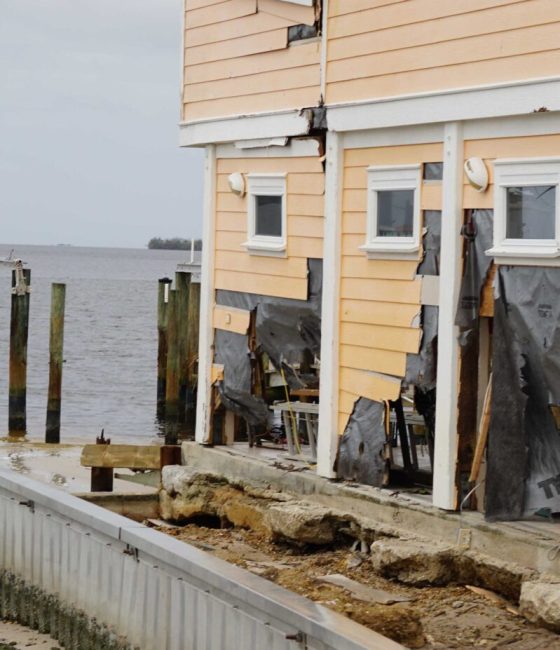
Storm Surge Is Flood Damage
Storm surge damage is generally treated as flood damage, including when it occurs during a hurricane. The same storm can also cause wind damage that must be evaluated under a different policy.
Consider a home with missing roof tiles, rain damage to an upstairs ceiling, and lower-floor damage from rising floodwater. Those conditions call for a careful assessment of the water’s entry points and timing. Photographs, waterlines, and inspection findings help establish which damage belongs in each claim. The fact that everything happened during one hurricane doesn’t make the coverage identical.
Essential Evidence to Include in Your Insurance Claim
A useful claim file connects each damaged area to its cause and repair cost. Start with what you can safely collect, then obtain professional findings for areas you can’t access or evaluate yourself.
Preserve:
- Before-and-after photographs: Include older images showing the roof, interior finishes, and belongings before the event.
- Water-entry evidence: Record damaged openings, interior and exterior waterlines, and surrounding flooding.
- Inspection reports and itemized estimates: Ask for findings, measurements, and explanations of the proposed work.
- A damaged-property inventory: List affected belongings, with approximate ages, purchase information, and model or serial numbers when available.
- Emergency repair receipts: Keep invoices and photographs for tarping, drying, water removal, and other protective work.
- Insurance correspondence: Save estimates, coverage letters, submission confirmations, and notes from calls.
Our guidance on documenting a property damage claim explains how to organize these records. Preserve material samples where practical, but document and remove items that pose health risks. Don’t postpone necessary protective work while waiting for an inspection.
When to Hire a Property Damage Lawyer to Help With Your Claim?
Legal guidance can be useful before a denial, particularly when wind and flood insurers disagree about the cause of damage. Consider having your claim reviewed if the insurer attributes storm damage to wear and tear, omits affected rooms or materials, or offers a repair scope that conflicts with documented inspection findings.
A review can also help when you receive requests you don’t understand or are asked to accept a settlement while repair costs remain disputed. Bring the actual letters and estimates so the attorney can assess the issue in context.
Report the loss promptly and confirm the requirements and deadlines for each applicable policy. NFIP claims have proof-of-loss requirements that need attention alongside the adjuster’s inspection and estimate.
Free Claim Review With Gelber Law Group
A free claim review gives you a starting point for understanding what your insurance may pay and what remains disputed. Send us your policy documents, photographs, and any estimates or coverage decisions you’ve received.
We’ll assess the available evidence and explain the options for addressing the insurer’s position. If a contractor identifies work missing from the insurance estimate, we examine the supporting findings and policy terms. Our experience handling Florida property insurance disputes guides how we prepare the claim and pursue the compensation available for your covered loss.

The Property Damage Law Firm You Choose When Results Matter
Before accepting a settlement, understand whether it addresses each covered part of your storm or flood loss. Gelber Law Group represents Port St. Lucie homeowners and business owners.
Call 954-320-0100 or schedule your free Port St. Lucie claim review.